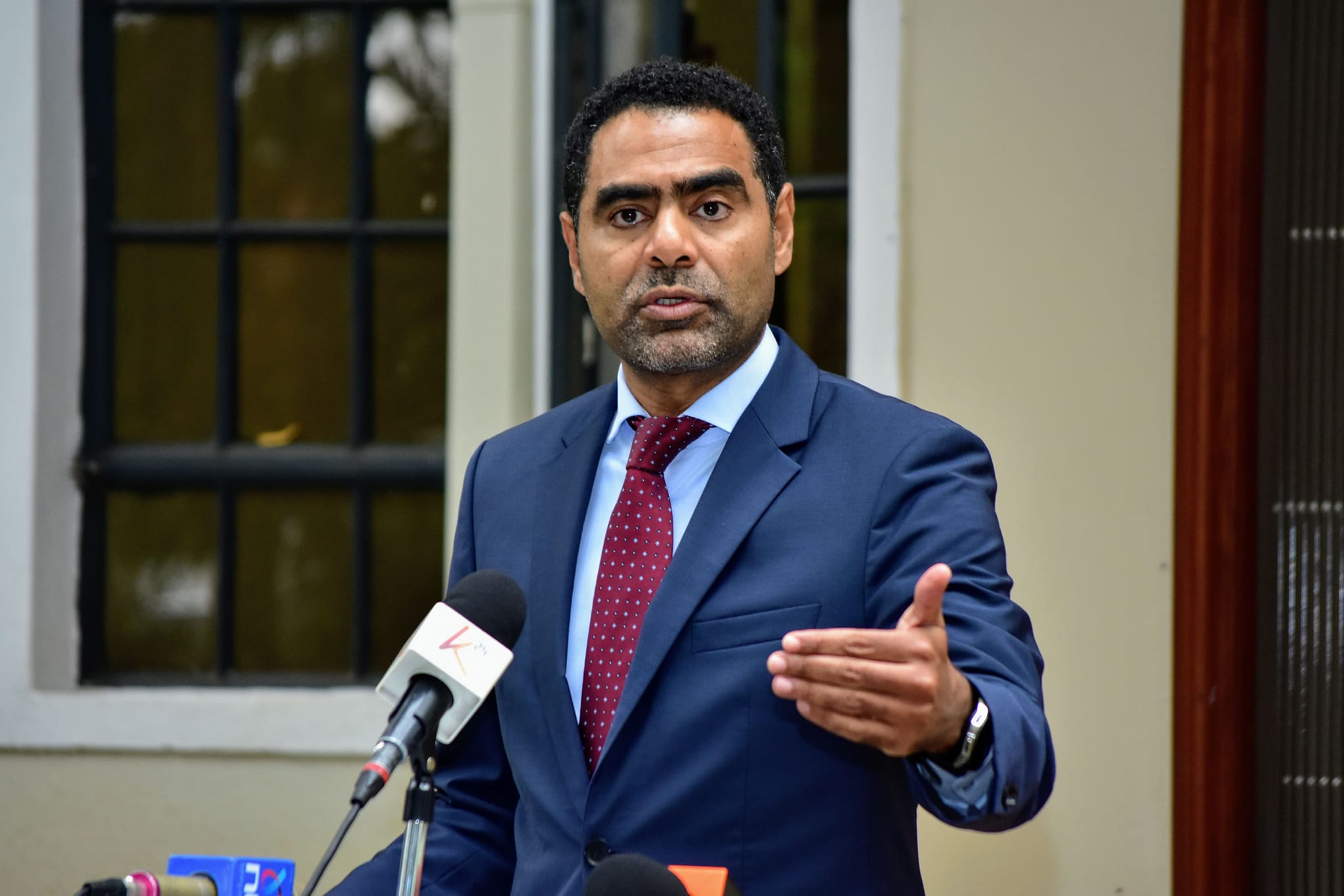
Hussein Mohammed marked his first year as president of the Football Kenya Federation on Tuesday by doing something unusual in Kenyan football administration: he admitted failure.
“I want to begin with honesty, because honesty is essential to any progress,” Mohammed told reporters in Nairobi. He then took direct responsibility for the poor showing of Kenya’s youth national teams in recent regional tournaments.
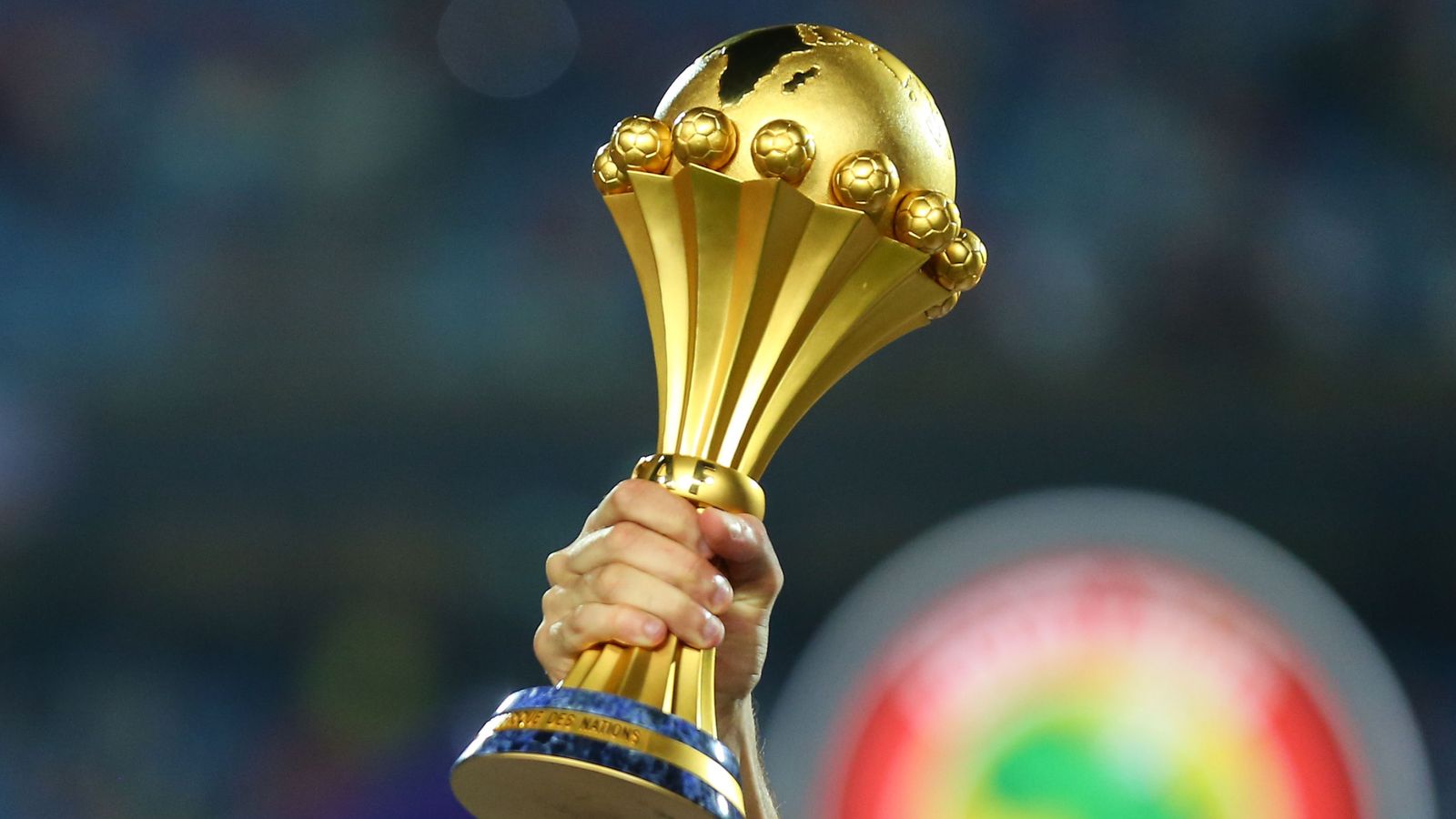
The Kenya Under-17 boys finished a disappointing fourth in the CECAFA qualifiers for the 2026 Africa Cup of Nations, missing a place at the finals in Morocco. Days earlier, the Under-15 boys and girls teams had stumbled at the CAF Schools Championship in Uganda, with the boys suffering a 7-0 defeat to the hosts after a 13-hour bus journey.
“We acknowledge the gaps, accept responsibility and are committed to fixing them — not with excuses, but with deliberate structural changes,” Mohammed said.
A year of survival and modest gains
Elected in a landslide on Dec. 7, 2024, under the “Team Fresh” banner, the former Murang’a Seal vice chairman and Extreme Sports CEO promised to overhaul infrastructure, commercialize the game, boost women’s football and improve player welfare.
Mohammed says the federation has survived its toughest test: staying afloat after inheriting more than 600 million shillings ($4.6 million) in debt, 16 unexplained bank accounts and 21 ongoing court cases from the previous regime.
Among the successes he lists:
- A 10-year, 1.2 billion-shilling sponsorship from betting firm SportPesa, rebranding the top flight as the SportPesa Premier League. Clubs share 60% of the money — 51 million shillings per season — while the federation retains 40%.
- Successful co-hosting of the 2024 African Nations Championship (CHAN) with Uganda and Tanzania.
- A partnership with the Royal Moroccan Football Federation that sent the Under-20 team to train in Rabat ahead of the U20 AFCON.
- A new residential high-performance academy in Homa Bay run with Acakoro Football Academy, launched Tuesday.
– Expanded referee training in marginalized counties such as Wajir and Marsabit.
Criticism over transparency
Not everything has gone smoothly.
Club officials have accused Mohammed of sidelining them during SportPesa negotiations, despite campaign promises of greater involvement. AFC Leopards chairman Boniface Ambani said in September the deal disproportionately benefits the federation. Kakamega Homeboyz CEO Bernard Shitiabayi noted his club already earns more from a rival betting firm.
The hiring of South African great Benni McCarthy as Harambee Stars coach in March was widely praised, but the federation has refused to disclose his salary after rumors put it at 8 million shillings a month.
Mohammed also claimed the federation spent more on women’s football than men’s in the first six months and created a dedicated secretariat for the women’s game. One senior FKF official, speaking on condition of anonymity, called that claim inaccurate.
A promised return of the Premier League to independent limited-company status has been postponed indefinitely, with Mohammed saying current sponsors want the federation to retain oversight.
Looking to 2026
Mohammed called 2026 “the year of action,” with grassroots development, women’s football and new partnerships at the top of the agenda. Efforts to criminalize match-fixing are also underway, including talks with Kenya’s Directorate of Criminal Investigations.
“We’ve learned the ropes, seen the challenges, celebrated the gains and recognized the shortcomings,” he said.
After a turbulent decade for Kenyan football — marked by FIFA suspensions, court battles and administrative chaos — Mohammed’s blend of candor and cautious progress has brought a measure of stability. Whether it translates into on-field success remains the biggest question as his second year begins.