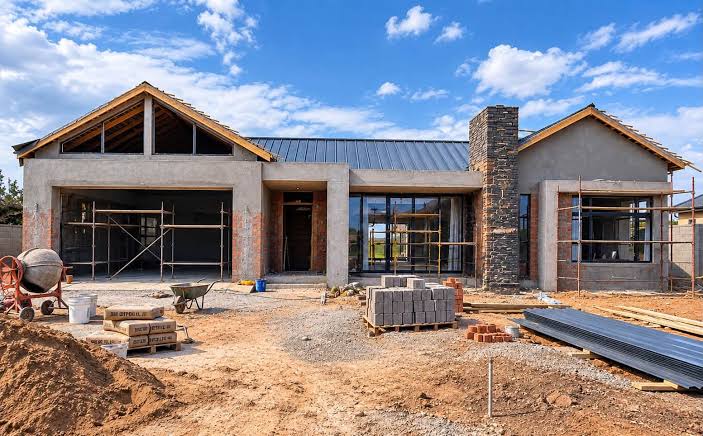
Home renovation projects, whether a modest kitchen upgrade or a more extensive structural expansion, represent significant financial undertakings for Kenyan homeowners, often involving costs that exceed initial expectations without careful planning. Developing a thorough financial approach to renovation projects helps homeowners manage these costs effectively while achieving their desired improvements.
Defining project scope and obtaining accurate cost estimates
Before beginning financial planning for a renovation, homeowners are encouraged to clearly define the specific scope of their intended project, then obtain detailed quotes from qualified contractors reflecting this specific scope, rather than relying on rough estimates or assumptions about likely costs based on general impressions or secondhand information about what similar projects have cost others. Obtaining multiple quotes from different contractors for the same clearly defined scope of work helps homeowners develop a more accurate, grounded cost expectation while also providing a basis for comparing value and quality across different contractors being considered for the project.
Building in a contingency buffer for unexpected costs
Renovation projects frequently encounter unexpected costs once work actually begins, whether due to discovering underlying structural issues not apparent before work started, material cost changes during the project timeline, or scope adjustments that seem necessary once the project is underway. Financial advisors and experienced renovation contractors generally recommend building a contingency buffer into the renovation budget, commonly suggested at somewhere between fifteen and twenty five percent above the initial quoted cost, specifically to accommodate these common unexpected costs without the entire project financing plan being thrown into disarray by the first unforeseen expense that arises.
Financing options for renovation projects
Kenyan homeowners can finance renovation projects through various means, including personal savings specifically accumulated for this purpose, home equity based financing where a bank extends credit secured against the increased value the renovation is expected to create or against existing equity in the property, Sacco loans where membership and eligibility allow, and, for smaller projects, potentially personal loans or other unsecured financing options, though these typically carry higher interest rates than secured financing alternatives. Comparing the total cost across available financing options, while also considering which options are genuinely accessible given the homeowner’s specific financial circumstances, helps identify the most appropriate and cost effective financing approach for a specific renovation project.
Phasing larger projects to manage cash flow
For particularly extensive renovation projects, homeowners without sufficient savings or financing capacity to complete the full project at once might consider phasing the work into distinct stages, completing and paying for one phase before beginning the next, allowing the project to proceed incrementally as financial resources allow rather than requiring the full project cost to be available upfront or financed entirely through debt. This phased approach requires careful planning to ensure each individual phase makes practical sense as a standalone stage of work, avoiding situations where partially completed work creates its own complications or additional costs if a subsequent phase is delayed significantly.
Understanding the potential return on renovation investment
Homeowners considering renovation, particularly more significant projects, are encouraged to research how different types of renovations typically affect property value in their specific local market, recognizing that not all renovation spending translates proportionally into increased property value, with certain improvements, such as kitchen and bathroom updates, generally providing stronger value return than others, such as highly personalized or unusual modifications that may not appeal broadly to future potential buyers if the homeowner eventually sells the property.
Managing contractor payments and avoiding common disputes
Structuring contractor payments appropriately, typically through staged payments tied to specific, clearly defined project milestones rather than large upfront payments before work has actually been completed, helps protect homeowners financially throughout the renovation process. Maintaining clear, written contracts specifying the full scope of work, payment schedule, and timeline expectations, rather than relying on informal verbal agreements, provides important protection and a clear reference point if disputes arise during the project regarding what was actually agreed and whether work has been completed as specified.
Insurance considerations during renovation
Homeowners undertaking significant renovation work are encouraged to confirm that their existing property insurance adequately covers the property during the renovation period, since some renovation activities might affect standard coverage terms, and to consider whether contractors have appropriate liability insurance covering potential accidents or damage occurring during the renovation work itself, providing an important additional layer of financial protection throughout what can be a period of elevated risk compared to the property’s normal, non renovation state.
Factoring in temporary accommodation costs where relevant
For more extensive renovation projects that may render parts or all of a home temporarily uninhabitable, homeowners should factor potential temporary accommodation costs into their overall renovation budget, whether this involves staying with family, renting temporary housing, or other arrangements during the most disruptive phases of the construction work. Overlooking this cost category, which can represent a meaningful additional expense for larger projects spanning several weeks or months, is a common renovation budgeting oversight that can create unexpected financial strain if not anticipated and planned for from the outset of the project.